
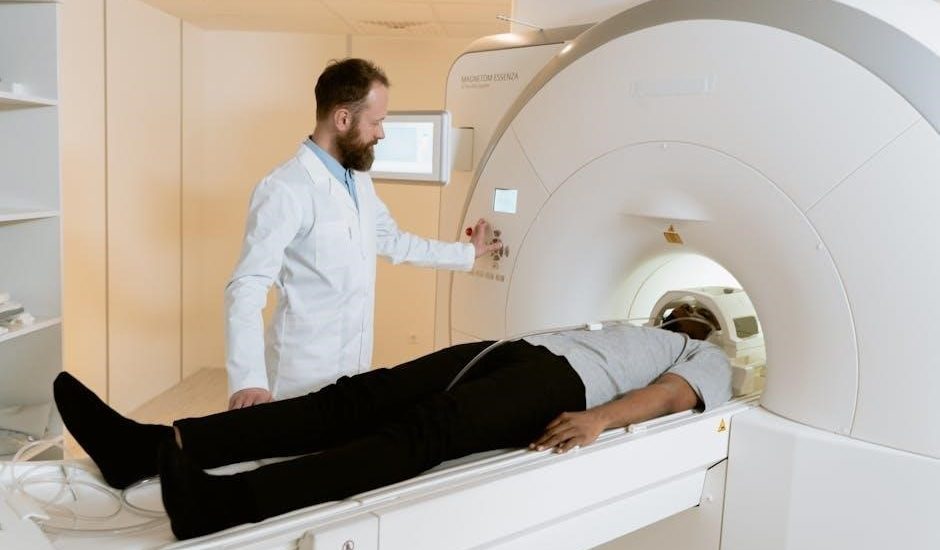
Occupational Self Assessment PDF: A Comprehensive Guide
Occupational self assessment PDFs offer a structured way to evaluate performance, identify needs, and plan interventions; they are vital tools for therapists and students.
What is an Occupational Self Assessment?
An Occupational Self Assessment (OSA) is a focused evaluation where individuals reflect on their abilities to perform daily activities – occupations.
These assessments, often available as PDF documents, delve into how well someone manages tasks essential for independent living and participation in meaningful life roles.
The process involves identifying strengths and weaknesses across various occupational performance areas.
Utilizing tools like the OSA itself, the Canadian Occupational Performance Measure (COPM), or the Conservation of Resources Evaluation (CORE), individuals gain insight into their functional capabilities.
A PDF format ensures standardized delivery and ease of documentation for therapists and students alike, facilitating a comprehensive understanding of the client’s occupational profile.
The Purpose of Occupational Self Assessment
Occupational Self Assessments (OSAs), frequently distributed as PDFs, serve a crucial role in understanding an individual’s occupational performance. The primary purpose is to identify discrepancies between desired and actual performance levels, pinpointing areas needing intervention.
These assessments facilitate collaborative goal-setting between therapists and clients, fostering a client-centered approach.
A PDF format allows for standardized administration and clear documentation of findings.
Furthermore, OSAs aid in evaluating the impact of environmental factors and potential risks – including suicide, violence, or self-neglect – on occupational engagement, ultimately guiding personalized intervention plans.
Why Use a PDF Format for Occupational Self Assessments?
PDFs are ideal for Occupational Self Assessments due to their universal accessibility and preservation of formatting across different devices. This ensures consistent presentation of questions and response options, crucial for standardized evaluation. PDFs also facilitate secure document sharing and archiving, maintaining client confidentiality.
They allow for easy annotation and completion, either digitally or after printing.
Moreover, PDFs support embedding of various media, enhancing assessment clarity. Utilizing PDFs streamlines the assessment process, promoting efficient data collection and analysis for therapists and students.

Key Components of an Occupational Self Assessment
Key components include identifying performance areas, evaluating strengths/weaknesses, and assessing environmental factors—all crucial for understanding an individual’s occupational profile.
Identifying Occupational Performance Areas
Identifying occupational performance areas is a foundational step in self-assessment. This involves a thorough exploration of all the activities that occupy an individual’s daily life. These areas encompass a broad spectrum, ranging from self-care tasks – like dressing and hygiene – to productivity activities, including work, volunteering, and education.
Furthermore, leisure pursuits, social participation, and rest/sleep are also critical components. A comprehensive occupational self assessment PDF facilitates this process by providing structured prompts and checklists to ensure no significant area is overlooked. Recognizing these areas allows for a focused evaluation of strengths and challenges within each domain, ultimately guiding intervention planning.
Evaluating Strengths and Weaknesses
Evaluating strengths and weaknesses within identified occupational performance areas is central to the self-assessment process. A well-designed occupational self assessment PDF guides individuals to honestly appraise their capabilities and limitations. This isn’t simply about identifying deficits; recognizing existing strengths is equally crucial.
Strengths can be leveraged to compensate for weaknesses and build confidence. The assessment should prompt reflection on factors that enhance or hinder performance. This detailed analysis informs the development of personalized intervention plans, focusing on maximizing potential and addressing areas needing improvement, ultimately promoting occupational engagement.
Assessing Environmental Factors
Assessing environmental factors is a critical component of a comprehensive occupational self assessment PDF. This involves evaluating both the physical and social surroundings that impact an individual’s occupational performance. Identifying barriers – such as inaccessible spaces or lack of social support – is key.
Conversely, recognizing facilitators – like supportive relationships or adaptive equipment – is equally important. The PDF should prompt reflection on how the environment either enables or hinders participation in meaningful activities. Understanding these influences allows for targeted interventions to modify the environment and promote greater occupational engagement.
Tools and Methods for Occupational Self Assessment
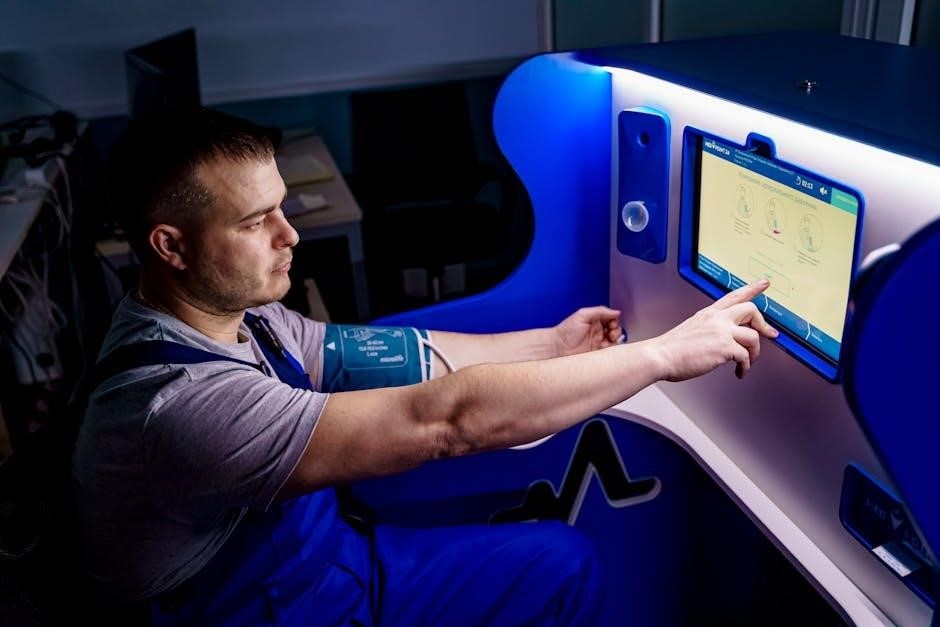
Occupational self assessment PDFs utilize tools like the OSA, COPM, and CORE to comprehensively evaluate an individual’s occupational performance and identify areas for growth.
The Occupational Self Assessment (OSA) Tool
The Occupational Self Assessment (OSA) tool, often delivered as a PDF, is a valuable resource for individuals and therapists alike. It facilitates a detailed exploration of an individual’s occupational profile, encompassing their interests, values, skills, and patterns of daily living.
Utilizing the OSA allows for a collaborative approach to identifying occupational performance strengths and areas needing improvement; A PDF format ensures standardized administration and easy documentation of responses. It’s particularly useful for therapy assistant students gaining experience in assessment procedures.
The OSA helps pinpoint specific occupations that are meaningful to the client, forming the foundation for personalized intervention planning. Analyzing OSA results, often presented within the PDF document, reveals patterns and trends crucial for effective occupational therapy.
Canadian Occupational Performance Measure (COPM)
The Canadian Occupational Performance Measure (COPM), frequently utilized alongside occupational self assessment PDFs, is a client-centered outcome measure. It focuses on identifying occupational priorities for the client, assessing performance, and gauging client satisfaction. Often, COPM forms are integrated into comprehensive PDF assessment packages.
Unlike purely self-report tools, the COPM involves collaborative goal setting between the client and therapist. This ensures interventions are truly meaningful and relevant. The PDF format allows for easy scoring and tracking of progress over time.
It complements the OSA by providing a quantifiable measure of occupational performance changes, enhancing the overall assessment process and supporting evidence-based practice within a PDF report.
Conservation of Resources Evaluation (CORE)
The Conservation of Resources Evaluation (CORE), often incorporated within broader occupational self assessment PDF documents, assesses an individual’s resources and their impact on well-being and occupational performance. It explores personal, social, and physical resources, identifying potential deficits that hinder engagement in meaningful activities.
Utilizing a PDF format allows for standardized administration and scoring, facilitating comparisons and tracking changes over time. The CORE complements other assessments, like the OSA, by providing a holistic view of the client’s resource availability.
This detailed evaluation informs intervention planning, focusing on building and protecting resources to enhance occupational participation, often documented within a comprehensive PDF report.

Risk Assessment in Occupational Self Assessment
Risk assessment, documented in occupational self assessment PDFs, is crucial for identifying potential harm—including suicide, violence, and self-neglect—and ensuring safety.
Suicide Risk Assessment
Suicide risk assessment, often integrated within a comprehensive occupational self assessment PDF, is a critical component of occupational therapy practice, particularly when working with individuals experiencing mental health challenges. This process involves carefully evaluating risk factors, such as hopelessness, social isolation, and previous suicide attempts.
A thorough assessment necessitates exploring the individual’s current mental state, support systems, and access to lethal means. Crucially, developing a safety plan collaboratively with the client is paramount. This plan outlines coping strategies, emergency contacts, and steps to take during a crisis.
The PDF format allows for detailed documentation of these assessments and plans, ensuring continuity of care and facilitating communication among healthcare professionals.
Violence and Aggression Risk Assessment
Violence and aggression risk assessment, frequently incorporated into a detailed occupational self assessment PDF, is essential for ensuring the safety of both the individual and those around them. Occupational therapists utilize this assessment to identify potential triggers and warning signs that may precede aggressive behaviors.
Factors considered include history of violence, substance use, mental health diagnoses, and current stressors. Developing preventive measures, such as de-escalation techniques and environmental modifications, is a key outcome.
The PDF format provides a secure and organized method for documenting these assessments, intervention strategies, and any observed behavioral changes, promoting a safe therapeutic environment.
Self-Neglect Risk Assessment
Self-neglect risk assessment, a crucial component within a comprehensive occupational self assessment PDF, focuses on evaluating an individual’s ability to adequately meet their own basic needs. This includes assessing their capacity for self-care, maintaining a safe living environment, and managing essential resources like food and medication.
Occupational therapists utilize standardized tools and clinical observations to identify potential risks, such as poor hygiene, inadequate nutrition, or unsafe housing conditions.
The PDF format allows for detailed documentation of these findings and the development of targeted interventions to address self-neglectful behaviors and promote independence.

Applying Occupational Self Assessment in Different Settings
Occupational self assessment PDFs are versatile, utilized in community settings for older adults, therapy assistant student training, and within diverse mental health practices.
Community Settings for Older Adults
Occupational self assessment PDFs prove invaluable when supporting older adults within community environments. These assessments help identify changes in functional abilities impacting daily living, enabling tailored interventions.
PDF formats facilitate easy sharing with healthcare teams and family members, promoting collaborative care planning. Utilizing these tools, therapists can evaluate an older adult’s engagement in meaningful activities, addressing potential barriers to participation.
This approach supports maintaining independence, enhancing quality of life, and preventing social isolation. Physical and Occupational Therapy in Geriatrics highlights the application of such assessments in geriatric care, emphasizing their role in holistic well-being. The PDF format ensures accessibility and efficient documentation.
Therapy Assistant Student Training
Occupational self assessment PDFs are crucial resources for therapy assistant students, providing practical experience in evaluating occupational performance. Students learn to interpret assessment results, identify client strengths and weaknesses, and contribute to intervention planning.
PDFs offer standardized formats for practice and documentation, enhancing skills in clinical reasoning and report writing. Online life skills training modules, complementing PDF-based assessments, can further bolster student knowledge.
Exposure to these tools prepares students for real-world practice, fostering competence in applying occupational therapy principles. Utilizing PDFs allows for efficient skill development and a deeper understanding of client-centered care.
Mental Health Practice
Occupational self assessment PDFs are integral to mental health practice, facilitating a holistic understanding of clients’ functional abilities and challenges. These assessments aid in identifying how mental health conditions impact daily occupations, informing tailored intervention plans.
Risk assessment, a critical component, is often integrated within these PDFs, including evaluations for suicide, violence, and self-neglect. Utilizing tools like the OSA, COPM, and CORE provides comprehensive data.
PDF formats streamline documentation and ensure consistent evaluation practices, supporting effective and safe client care within mental health settings.
Understanding Assessment Results
PDF occupational self assessments require careful interpretation of scores, identifying patterns, and trends to develop personalized intervention plans for improved client outcomes.
Interpreting OSA Scores
Analyzing Occupational Self Assessment (OSA) PDF results involves more than simply looking at numerical scores. A comprehensive interpretation requires considering the individual’s unique context, including their values, priorities, and environmental factors. While the PDF may provide standardized scores, these should be viewed as indicators, not definitive labels.
Focus on identifying significant discrepancies between perceived strengths and areas needing improvement. Look for patterns across different occupational performance areas. No significant change detected in OSA scores suggests a need for re-evaluation of intervention strategies or a deeper exploration of underlying barriers. Remember, the goal is to understand the individual’s occupational profile and tailor interventions accordingly, utilizing the PDF as a starting point for collaborative goal setting.
Identifying Patterns and Trends
Analyzing Occupational Self Assessment (OSA) PDF data reveals crucial patterns. Look beyond individual scores to identify recurring themes in an individual’s occupational performance. Are there consistent challenges across multiple areas, or are difficulties isolated to specific contexts? Trends might indicate underlying issues like limited resources, environmental barriers, or skill deficits.
Consider how scores relate to the individual’s life stages and cultural background. A lack of significant change in OSA scores over time suggests a need to revisit the assessment process or explore alternative intervention approaches; Recognizing these patterns informs personalized intervention plans, ensuring they address the root causes of occupational difficulties, as highlighted within the PDF assessment.
Developing Personalized Intervention Plans
Utilizing insights from the Occupational Self Assessment (OSA) PDF, create tailored intervention plans. These plans should directly address identified strengths, weaknesses, and environmental factors impacting occupational performance. Prioritize goals collaboratively with the individual, ensuring they are meaningful and achievable.
Interventions might include skill-building activities, environmental modifications, or strategies to enhance resource utilization. Regularly review and adjust the plan based on progress and changing needs. The PDF serves as a baseline, tracking improvements and guiding adjustments. Online life skills training modules can supplement these plans, particularly for students, fostering independence and well-being.

The Role of Environmental Assessment
Environmental assessment, within an occupational self assessment PDF, identifies barriers and facilitators in physical and social contexts impacting an individual’s occupational performance.
Physical Environment Evaluation
Within an occupational self assessment PDF, physical environment evaluation systematically examines how surroundings impact a person’s ability to engage in daily activities. This includes assessing accessibility features – stairs, ramps, doorways – and the layout of spaces.
Considerations extend to lighting, noise levels, and the presence of hazards. A thorough evaluation identifies potential barriers like cluttered spaces or inadequate equipment.
Furthermore, it highlights facilitators, such as adaptive tools or well-organized areas. This detailed assessment informs tailored interventions to modify the environment, promoting greater independence and participation in meaningful occupations. Ultimately, optimizing the physical space enhances occupational performance.
Social Environment Evaluation
An occupational self assessment PDF incorporates a social environment evaluation to understand how relationships and social contexts influence occupational performance. This involves assessing the individual’s support network – family, friends, colleagues – and the quality of those interactions.
Factors like social isolation, cultural norms, and community resources are considered. The evaluation identifies potential barriers, such as lack of social support or stigmatizing attitudes.
Conversely, it highlights facilitators like supportive relationships and inclusive community programs. This understanding informs interventions aimed at strengthening social connections and promoting participation in valued social roles, ultimately enhancing well-being.
Identifying Barriers and Facilitators
An occupational self assessment PDF systematically pinpoints obstacles – barriers – hindering an individual’s ability to engage in meaningful occupations. These can be physical (environmental limitations), cognitive (memory issues), or psychological (fear of failure). Simultaneously, it uncovers factors – facilitators – that support occupational performance.
Facilitators might include assistive technology, supportive relationships, or accessible community resources.
The PDF format allows for detailed documentation of these elements, informing personalized intervention plans. Recognizing both barriers and facilitators is crucial for creating effective strategies to maximize participation and improve overall quality of life.

Digital Resources and PDF Accessibility
Occupational self assessment PDFs are readily available online, but ensuring accessibility for all users – including those with disabilities – is paramount for inclusivity.
Finding Occupational Self Assessment PDFs Online
Locating occupational self assessment PDFs involves utilizing various online resources. Professional organizations, such as those related to occupational therapy, frequently offer downloadable assessment tools and guides for members and sometimes the public. Academic databases and research repositories can also yield valuable PDFs, often containing detailed assessment forms and related research articles.
A simple web search using keywords like “occupational self assessment PDF,” “OSA tool PDF,” or “occupational performance assessment PDF” will generate numerous results. However, it’s crucial to verify the source’s credibility and ensure the PDF is current and appropriate for your specific needs. Websites dedicated to VN Codes and video editing templates may also indirectly link to relevant resources within broader content creation guides.
Ensuring PDF Accessibility for All Users
Accessibility of occupational self assessment PDFs is paramount for inclusive practice. PDFs should be structured with tagged text, allowing screen readers to interpret content correctly for visually impaired users. Alternative text descriptions for images and form fields are essential, providing context for non-visual access.
Ensuring sufficient color contrast and a logical reading order further enhances usability. When creating or distributing these PDFs, adhere to WCAG (Web Content Accessibility Guidelines) standards. Resources like VN Codes, while focused on video, highlight the importance of inclusive design principles applicable to all digital content, including accessible PDFs for diverse learners and clients.
VN Codes and Video Editing Templates (Related to Content Creation)
While seemingly disparate, VN Codes’ focus on video editing templates connects to disseminating occupational self assessment PDF results effectively. Engaging video summaries, created using VN’s tools, can explain complex assessment findings to clients and families in an accessible format.
These videos can visually demonstrate intervention plans derived from the PDF assessment, enhancing understanding and motivation. Though VN specializes in video, its emphasis on creative content delivery mirrors the need for innovative ways to present assessment data. This bridges the gap between static PDFs and dynamic, client-centered communication.

Future Trends in Occupational Self Assessment
PDF assessments will likely integrate with telehealth, utilizing online modules for life skills training and leveraging advancements in assessment technology.
Online Life Skills Training Modules
Integrating online life skills training modules represents a significant advancement in occupational self assessment, particularly for therapy assistant students. These modules can effectively supplement traditional learning, addressing identified knowledge gaps and bolstering confidence in applying assessment tools like the Occupational Self Assessment (OSA).
Such modules offer flexible, accessible learning opportunities, allowing students to deepen their understanding of crucial life skills and their connection to occupational performance. Furthermore, these digital resources can be incorporated into PDF-based assessment reports, providing clients with tailored recommendations and readily available support materials. This blended approach enhances the overall effectiveness of the assessment process and promotes client empowerment.
Integration with Telehealth Platforms
Seamlessly integrating occupational self assessment PDFs with telehealth platforms is revolutionizing service delivery. This allows for remote administration, scoring, and interpretation of assessments like the OSA, expanding access to care for individuals in diverse geographic locations. Secure digital platforms ensure data privacy and facilitate collaborative care between therapists and clients.
Telehealth integration also enables real-time feedback and personalized intervention planning, enhancing the effectiveness of the assessment process. Utilizing PDF forms within telehealth systems streamlines documentation and promotes efficient workflow. This shift towards virtual care is particularly beneficial for individuals facing mobility limitations or residing in underserved communities.
Advancements in Assessment Technology
Emerging technologies are transforming occupational self assessment PDF utilization. Interactive PDF forms with embedded scoring algorithms automate data analysis, reducing administrative burden and improving accuracy. Artificial intelligence (AI) powered tools can analyze assessment responses to identify patterns and predict potential challenges, supporting proactive intervention planning.
Furthermore, virtual reality (VR) and augmented reality (AR) applications are being developed to simulate real-world occupational performance scenarios, providing richer and more ecologically valid assessment data. These advancements enhance the sensitivity and specificity of assessments, leading to more personalized and effective interventions. Digital platforms also facilitate secure data storage and sharing.